Elon Musk Refutes Starlink Smartphone Development Rumors Amid Telecom Industry Speculation
In recent months, the notion that SpaceX’s Starlink division is planning to launch a dedicated smartphone has stirred considerable discussion within the telecom and technology sectors. However, Elon Musk has firmly denied these claims, emphasizing that reports about Starlink venturing into smartphone manufacturing are unfounded. Despite some media outlets suggesting otherwise, Musk clarified through his social media statements that no concrete plans exist for creating a proprietary Starlink smartphone. This dismissal aligns with Musk’s goal to focus on Starlink’s core strength — satellite connectivity technology rather than traditional consumer electronics.
The rumors initially gained traction when Reuters and other news agencies reported that Starlink was internally exploring the concept of a phone with unique capabilities connecting directly to its low-Earth orbit satellite network. These speculations included potential hardware designs optimized for satellite service integration and AI-powered performance optimization. Musk briefly stirred the conversation by alluding to the possibility of such a device in the future, highlighting the potential for a smartphone tailored specifically to “max performance per watt” for running neural network workloads. Yet these statements were speculative and never confirmed as firm developmental projects.
Instead of building standalone smartphones, Starlink’s current strategy favors expanding partnerships with established mobile operators. These collaborations aim to enable conventional smartphones to access Starlink’s satellite internet without requiring specialized hardware. Such an approach leverages existing consumer devices while enhancing their connectivity options, representing a more pragmatic path forward in the competitive telecom landscape. Musk’s refusal to associate Starlink with smartphone manufacturing underscores a broader corporate emphasis on satellite infrastructure and service innovation rather than entering the saturated handset market.
Starlink’s Innovative Satellite Technology and Its Impact on Global Telecom Connectivity
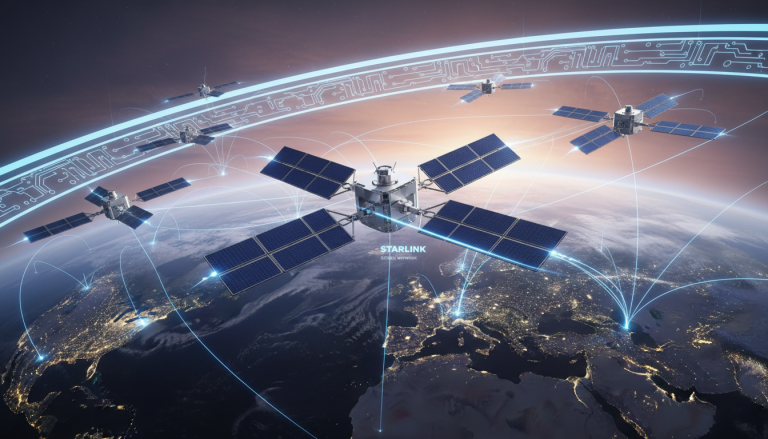
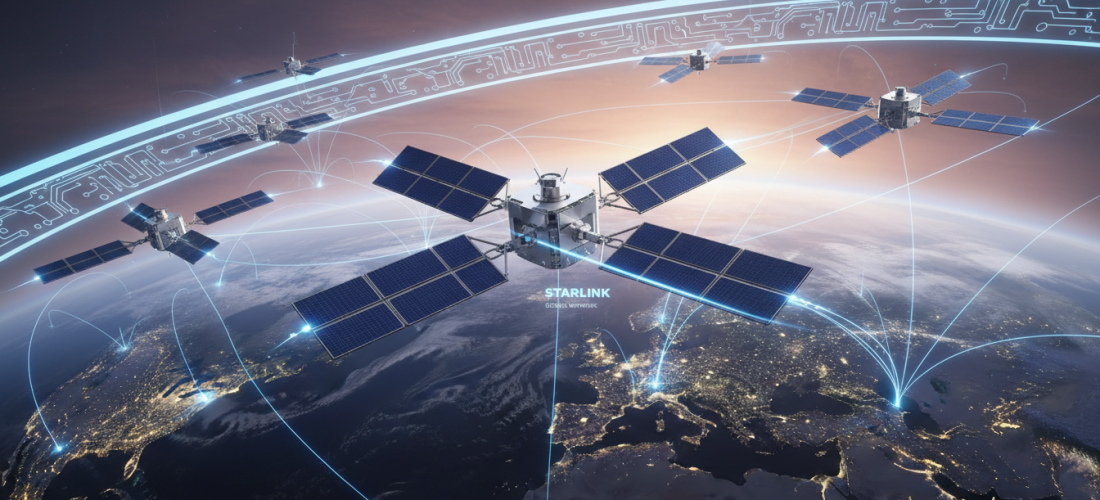
SpaceX’s Starlink has swiftly emerged as a revolutionary force within the telecommunications industry, offering global internet access through a sprawling network of low-Earth orbit satellites. This satellite constellation is designed to bridge the digital divide by providing high-speed, low-latency internet services to underserved and remote areas worldwide. The technology uses advanced satellites that communicate directly with ground terminals, effectively circumventing traditional cellular infrastructure limitations.
Starlink’s satellite architecture offers significant advantages over terrestrial networks. Unlike conventional cell towers, these satellites boast vast coverage zones and the ability to support connectivity in locations where laying fiber optics or establishing cell sites is impractical or economically unfeasible. This is particularly critical for remote communities, maritime operations, emergency response situations, and other niche applications demanding reliable connectivity.
Advancements Supporting Telecom Developments
One of Starlink’s most promising advancements involves its direct-to-device connectivity initiative. Rather than focusing on developing proprietary hardware like smartphones, Starlink is working on enabling existing telecom devices to communicate directly with its satellites. This innovation could transform mobile connectivity by bypassing the need for terrestrial cell towers in certain scenarios, thus integrating satellite technology seamlessly into everyday telecom infrastructure.
Additionally, SpaceX continues to explore expanding the utility of its satellite network through space-tracking services and enhanced AI capabilities embedded within the network’s operational framework. For example, optimized AI processing could improve bandwidth allocation, predictive maintenance, and dynamic resource management, leading to better quality of service for end users.
These developments position Starlink not just as an internet provider, but as a comprehensive telecom technology innovator. By focusing on satellite-enabled services rather than device manufacturing, the company leverages its unique technological assets to unlock new market opportunities and drive telecommunications forward in a competitive and rapidly evolving environment.
Examining the Commercial Strategy: Why Starlink Denies Smartphone Production Plans
The decision to publicly deny plans for Starlink smartphones reflects a carefully calculated commercial and technological strategy. Entering the smartphone business would represent a significant divergence from Starlink’s current operational model and create substantial challenges amid intense competition from established phone manufacturers. To contextualize the rationale behind Musk’s denial, it’s important to understand several considerations influencing Starlink’s approach.
- Market Saturation: The global smartphone market is highly saturated, dominated by incumbents like Apple, Samsung, and Google, which have extensive manufacturing ecosystems and brand loyalty. Venturing into this space would require massive investment and entail significant risks.
- Focus on Core Competencies: Starlink’s expertise lies in satellite communications and network infrastructure rather than consumer hardware development. Concentrating resources on satellite technology and connectivity services offers a clearer path to monetization and innovation.
- Partnership Model: Collaborating with mobile operators to provide direct satellite connectivity to existing smartphones is a more efficient approach. It avoids the complications of hardware development while expanding service reach.
- Technological Challenges: Designing smartphones capable of directly interfacing with low-Earth orbit satellites involves complex engineering, significant power management hurdles, and costly certification processes, all of which may slow innovation.
Below is a comparative table outlining key factors influencing Starlink’s stance on smartphone development versus focusing on satellite service expansion:
| Aspect | Smartphone Manufacturing | Satellite Connectivity Expansion |
|---|---|---|
| Market Entry Difficulty | High – intense competition and brand development needed | Moderate – leveraging existing satellite expertise |
| Resource Allocation | Extensive investment in R&D, production, supply chain | Focused investment in network infrastructure and partnerships |
| Product Differentiation | Dependent on hardware features and user experience | Unique satellite network capabilities enabling new connectivity |
| Customer Base | General smartphone users globally | Telecom providers, specialized users, underserved regions |
| Technological Complexity | High hardware and software integration requirements | Advanced network and service innovation |
Ultimately, Musk’s public denial and the strategic focus on satellite telecom developments underline Starlink’s commitment to capitalizing on its unique strengths. While the allure of a Starlink smartphone with revolutionary features once seemed possible, the prevailing business logic favors enhancing network services and forging new partnerships over entering a crowded consumer electronics market.